Player Welfare vs Injury Surge: Has FIFA’s Three-Week International Break Delivered?
The 2026–27 season introduced a restructured international break model, merging the traditional September and October windows into a single three-week gap across late September and early October. Under the previous system, there were five two-week windows (March, June, September, October, November); now there are four, with this extended slot allowing European nations to play four Nations League fixtures instead of two.
FIFA says the change was driven by player welfare and logistics, especially after the 2026 World Cup final on 19 July pushed the summer tournament later than any since 1966. By cutting one full break, the governing body hoped to reduce cross‑continental travel for players based in Europe but representing African and South American nations, thereby lowering cumulative fatigue over the season.
Injury list grows as clubs brace for returns
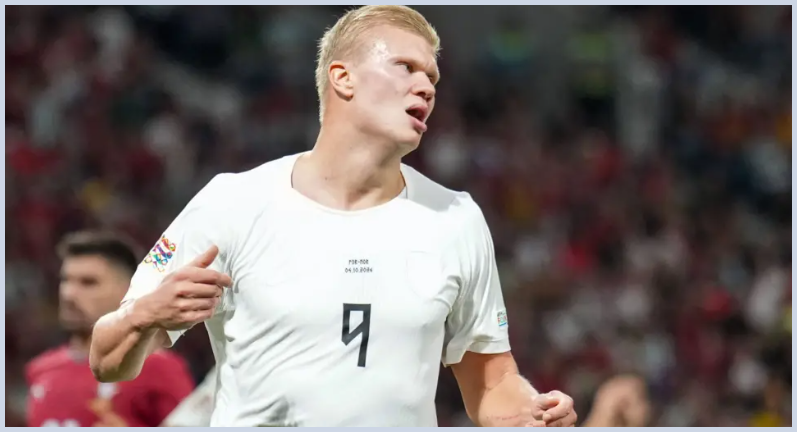
Despite the player welfare rationale, the first extended international break has been marked by a conspicuous wave of injury worries affecting top clubs. Bournemouth’s Alex Scott withdrew from England with a thigh problem, prompting the club to voice dissatisfaction over how the situation was managed. Manchester City’s Erling Haaland requested substitution against Portugal and left Norway’s camp, while team-mate Nico O’Reilly returned to City for further assessment.
Liverpool forwards Cody Gakpo (ankle) and Alexander Isak (thigh) both departed their national squads, and Portugal coach Jorge Jesus revealed Bruno Fernandes had been playing through pain. Elsewhere, Brentford’s Mikkel Damsgaard (ankle), Sunderland’s Dan Ballard and Brian Brobbey (hamstring), Real Madrid’s Kylian Mbappé (knee) and Barcelona’s Raphinha (thigh) all sustained issues while on duty. England alone saw Tino Livramento, Kobbie Mainoo, Cole Palmer, Marcus Rashford and Declan Rice withdraw before the window even began.
The Norwegian players’ union NISO used Haaland’s case to highlight a broader concern: “the burden on top players has become far too high,” calling for clearer guidelines on workload, recovery time and travel strain.
Tuchel: “More challenging” window, but positives exist
England manager Thomas Tuchel, who has been critical of the three-week break, described the schedule as “more challenging” than previous years, pointing to travel demands and short recovery windows between matches. At a news conference before England’s match against the Czech Republic, he insisted player welfare remained “priority number one” but cautioned that new training loads, tactical roles and condensed fixtures could increase injury risk.
Tuchel stopped short of blaming the longer window outright, saying officials need to “get the numbers right” before concluding whether injuries have truly risen compared with two shorter windows. He also acknowledged benefits: more time together in camp, additional training sessions and repeated match practice helped England’s automatisms click into place, as seen in the 7–0 win over Croatia.
Fan reaction: welfare logic clashes with boredom
Among supporters, the extended international break has been met with a mixture of scepticism and frustration. Many Premier League and Championship fans argue that a three-week pause so early in the campaign feels excessive, especially when domestic football is just hitting its stride.
Common themes from fan comments include:
- Boredom and disengagement while club football is suspended for so long.
- Concern that so‑called “friendlies” and Nations League group games are not worth losing key players to injury.
- Suspicion that some muscular problems might be managed differently at club level, fuelling debates over commitment and workload.
- Calls for clubs to prioritise player welfare by resisting non‑mandatory releases where possible.
At the same time, a minority view the break as an opportunity to sample other parts of the football pyramid without top‑flight fixtures dominating the schedule.
Silver lining for lower leagues and women’s game
One tangible upside of the international break is the extra space it creates for lower-league and Women’s Super League (WSL) matches in the broadcast calendar. With Premier League and Championship games paused, television slots open up for League One, League Two and WSL fixtures, offering smaller clubs greater exposure and potential revenue.
Early attendance indicators suggest some success: across 11 League One and League Two games on one Saturday (nine of which were postponed elsewhere due to call‑ups), only three drew below their season average. In the WSL, five of seven weekend matches recorded attendances higher than the home club’s average, helped by several women’s teams using their men’s senior stadiums for bigger crowds.
So, has the experiment worked?
On paper, the three-week international break aligns with FIFA’s player welfare goals: fewer total windows, less repetitive long-haul travel and a single extended period for national-team work. In practice, the early evidence is mixed. The volume of high-profile injuries has reignited concerns about fixture congestion and recovery, even if a definitive comparison will only be possible once all windows this season are complete.
For managers like Tuchel, the format offers more time to build cohesion but also creates a “brutal” run of matches in a short span. For fans, the trade‑off between player welfare theory and the reality of a long, boring pause without club football remains contentious. Whether the balance tips positively will depend on how injury trends evolve and whether future calendars can better protect top players without diluting the domestic product.




💬 Comments (0)
No comments yet. Be the first!
Leave a Comment