Premier League Power Shift: Are the Traditional Big Six Losing Their Grip?
Premier League, Arsenal, Chelsea, Liverpool, Manchester City, Manchester United, Tottenham Hotspur, Premier League Big Six
There was a time when predicting the Premier League’s top six felt almost routine. Arsenal, Chelsea, Liverpool, Manchester City, Manchester United and Tottenham Hotspur were viewed as the league’s untouchable elite, clubs with enormous fanbases, commercial influence and a near-permanent place among the title contenders.
That assumption is no longer so secure. The 2026-27 season has added fresh evidence that English football’s hierarchy is changing, with Brighton, Brentford and Everton currently occupying places in the top six. Meanwhile, some of the sport’s most famous institutions are struggling to keep pace.
The Old Order Is Cracking
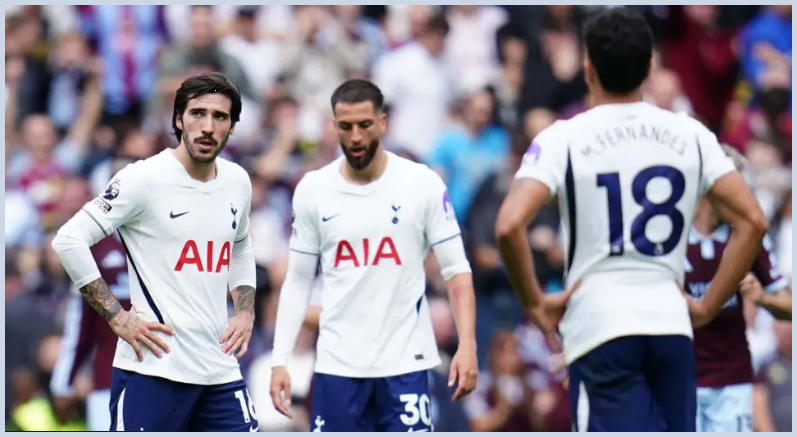
Tottenham’s recent decline has been particularly striking. After finishing one place above the relegation zone in each of the previous two campaigns, Spurs began this season second from bottom with three points from six matches. Manchester United, meanwhile, sit 13th, while Liverpool is ninth after an inconsistent start.
Chelsea and United have both finished outside the top six twice since 2021-22. Tottenham have missed the top six three times in that period, including two 17th-place finishes. These are not the results expected from clubs traditionally associated with Champions League football.
The wider picture is equally revealing: five of the available top-six positions have gone to clubs outside the traditional elite over the past three seasons, the same number achieved in the previous eight years combined.
Leicester’s Warning Was Ignored
Leicester City’s 2015-16 championship remains one of football’s greatest shocks. At the time, it appeared to prove that a club outside the established elite could win the Premier League, but their success initially looked like a rare interruption rather than the start of a new era.
For the following three seasons, the familiar clubs reclaimed control. The smallest gap between sixth and seventh during that stretch was eight points, underlining how difficult it had become for ambitious sides to break through.
That wall has since weakened. In only one of the past six campaigns have all six traditional powers finished in the leading positions. Aston Villa, Newcastle United and Brighton have all forced their way into that company at different stages.
Why Rivals Are Closing the Gap
Money remains central to Premier League success, but it is no longer the only route to progress. Newcastle’s £305m takeover in 2021 transformed their spending capacity, helping them rise from 11th in 2021-22 to fourth the following season and fifth two campaigns later.
Brighton represents a different model. Rather than relying solely on wealthy ownership, they have used analytical recruitment, player development and timely sales to remain competitive. The Seagulls signed Moises Caicedo for £4m in 2021 and sold him to Chelsea for £115m two years later. They also bought Marc Cucurella for £15m before selling him for £62m, while Alexis Mac Allister arrived for £7m and later moved to Liverpool in a deal worth £55m.
Brighton sporting director Mike Cave explained that data is only one part of a broader recruitment process, helping the club identify talent efficiently in a fiercely competitive transfer market.
Managerial Instability Hurts the Elite
Another issue for the traditional heavyweights is a lack of continuity. Manchester United have not consistently replicated the stability they enjoyed under Sir Alex Ferguson, whose 26-year reign ended in 2013. Since the beginning of 2020-21, United have appointed four permanent managers.
Chelsea have gone further, employing seven permanent head coaches in that same period, while Tottenham have used six. Such frequent changes make it difficult to build a clear identity, develop young players and sustain a long-term sporting project.
Arsenal offers the opposite example. By retaining Mikel Arteta after his 2019 appointment, the Gunners gradually assembled a squad strong enough to win last season’s Premier League title, ending a 22-year wait.
The Big Six Was Never Permanent
The idea of an English football elite has always evolved. When the Premier League began in 1992, Arsenal, Everton, Liverpool, Manchester United and Tottenham were commonly viewed as the division’s leading clubs.
Manchester United and Arsenal later formed the dominant “Big Two” before Chelsea and Liverpool helped create the “Big Four.” The modern Big Six emerged more clearly in 2010-11, when Arsenal, Chelsea, Liverpool, Manchester City, Manchester United and Tottenham filled the top six for the first time in English league history.
That grouping repeated in 2014-15, 2016-17, 2017-18 and 2018-19, cementing the label. But football has never stood still: the 1960s saw Burnley, Tottenham, Ipswich, Everton, Liverpool, Manchester United, Manchester City and Leeds all win league titles.
Conclusion
The Premier League Big Six remains real in commercial terms, but its sporting monopoly is fading. Brighton, Brentford and Everton are currently proving that top-six football is no longer reserved for the usual names. With Manchester City facing financial uncertainty, Tottenham struggling near the bottom and United outside the top 10, the old hierarchy looks increasingly fragile.
The Premier League may still produce champions from its biggest clubs, but the race for European qualification has become wider, more unpredictable and far more exciting.





💬 Comments (0)
No comments yet. Be the first!
Leave a Comment