How Goal Timing Statistics Can Help Explain Late Football Drama
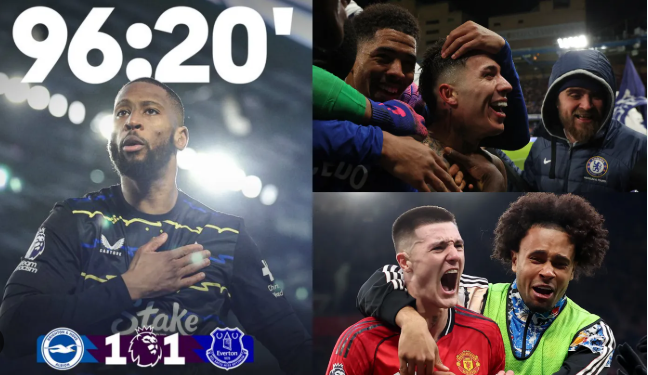
Football matches are rarely decided by the opening 45 minutes alone. A team can dominate possession, create several chances and still struggle to find the back of the net. Then, just when supporters begin expecting a quiet finish, the game suddenly comes alive with goals, dramatic equalizers or unexpected winners.
These moments are part of what makes football exciting. However, late goals are not always random events. In many cases, they reflect patterns that can be identified by studying when teams usually score and concede.
This is where goal timing statistics become particularly useful. By examining the periods when goals occur, football analysts can understand why some teams become more dangerous towards the end of matches while others struggle to protect their leads.
Let's explore how these statistics help explain late football drama and what they reveal about team performances.
Why Goal Timing Statistics Reveal the Secrets Behind Late Football Drama
1. Understanding When Teams Are Most Dangerous
Not every football team attacks with the same intensity throughout a match. Some sides start aggressively, looking to establish an early advantage. Others take their time, gradually building pressure before becoming more adventurous in the second half.
Goal timing statistics help reveal these differences.
For example, a team that regularly scores between the 60th and 90th minutes may have a playing style that becomes more effective as matches progress. It might rely on patient build-up, quick counterattacks or fresh attacking players introduced from the bench.
When reviewing a team's recent performances, examine the minutes in which its goals were scored. This can reveal whether its attacking threat is concentrated in the opening stages or towards the end.
Recognising these patterns makes it easier to understand why certain matches produce late excitement.
2. How Fatigue Creates Opportunities for Late Goals
Physical fatigue is one of the biggest reasons football matches can change dramatically towards the end.
During the opening stages, defenders may have enough energy to maintain their positions, track attacking players and close down dangerous spaces. However, as the game progresses, tiredness can affect concentration, movement and decision-making.
A defender who has spent most of the match chasing opponents may become slower when reacting to an attacking run. Midfielders might also struggle to provide the same defensive protection they offered earlier.
These small weaknesses can create opportunities for opponents. Teams with strong attacking players often take advantage of these situations, particularly during the final 15 minutes.
This is one reason why analysts pay attention to late goal trends rather than relying entirely on a team's overall goalscoring record.
3. Why Second-Half Statistics Tell an Important Story
Looking at total goals scored per match can sometimes hide important details. Two teams might average the same number of goals but have completely different scoring patterns.
One may score regularly before half-time, while the other produces most of its goals after the interval.
Breaking matches into different periods provides a better understanding of these differences.
Useful periods to examine include:
- 1st–15th minute: Early attacking intensity.
- 16th–30th minute: Continued pressure and tactical adjustment.
- 31st–45th minute: Attempts to score before the break.
- 46th–60th minute: Response to half-time instructions.
- 61st–75th minute: Increased attacking urgency and substitutions.
- 76th–90th minute: Fatigue, defensive pressure and late opportunities.
The statistics become even more useful when additional stoppage-time goals are considered.
A team that regularly scores after the 75th minute may deserve closer attention when analysing fixtures involving strong second-half performances.
4. Tactical Substitutions Can Change the Entire Match
Late football drama is not always caused by tired defenders. Sometimes, it begins with a manager making the right substitution at the right moment. When a team is struggling to break down an opponent, introducing a quicker winger, creative midfielder or additional striker can change the attacking approach.
These substitutions can create new problems for defenders who have already spent much of the match dealing with the original attacking players.
Managers also make tactical adjustments when chasing a result. A team trailing by one goal may commit more players forward, increasing its chances of scoring but also leaving spaces at the back.
This can produce exciting final stages, with both sides creating opportunities. When studying football goal timing patterns, it is therefore worth considering squad depth, substitution habits and the tactical decisions of managers.
5. Defensive Weaknesses Often Become More Visible Late in Matches
Some teams have difficulty maintaining their defensive organisation for the entire 90 minutes.
They may defend well during the first half but become vulnerable when opponents increase the pressure. Others regularly concede late because they struggle to manage games after taking the lead.
These patterns are important when analysing potential late goals.
Pay attention to teams that frequently:
- Concede after the 75th minute.
- Lose concentration when protecting a narrow lead.
- Allow opponents to create numerous second-half chances.
- Struggle against quick attacking substitutions.
- Drop too deep when trying to defend an advantage.
A team's record of conceding late goals can reveal defensive problems that might not be obvious from its overall league position.
6. Expected Goals Can Help Explain Late Scoring Patterns
Expected goals (xG) provide another useful way to understand why some matches produce late goals. Unlike ordinary goal statistics, xG measures the quality of scoring opportunities created by a team.
For example, a club might finish the first half without scoring despite creating several promising chances. If it continues producing opportunities after the break, a goal may eventually arrive.
However, it is important to distinguish between teams that consistently create good chances and those that score through occasional moments of individual brilliance.
Analysing second-half expected goals, shots on target and big chances created can provide a clearer picture of whether a team maintains its attacking threat throughout the match. These statistics are particularly useful when recent results do not fully reflect a team's attacking performance.
7. Match Importance Can Influence Late Football Drama
The importance of a fixture can also affect how teams approach the closing stages. In a title race, a team chasing three points may continue attacking even when a draw appears likely. Similarly, clubs fighting relegation may take greater risks when they need a late equalizer.
Cup competitions can produce similar situations, especially when a team is facing elimination.
However, not every team responds to pressure in the same way. Some become more aggressive, while others lose their attacking structure. Understanding the match situation helps explain why goal timing patterns can change depending on the competition and circumstances.
How to Use Goal Timing Statistics When Analysing Fixtures
For anyone studying football matches, goal timing statistics can provide valuable information before making an assessment. Rather than looking at one statistic in isolation, combine several indicators.
Start by reviewing each team's last five to ten matches. Check when they score and concede, paying particular attention to the final 15 minutes. Next, compare their home and away performances. Some teams are more productive late in matches at home, while others are better at finding opportunities through counterattacks.
Also examine their opponents' defensive records, recent injuries and available attacking substitutes. Most importantly, look for repeated patterns instead of relying on one dramatic result.
A team scoring in stoppage time once does not automatically mean it is likely to repeat that performance in its next fixture.
Wrapping Up
Late football drama is one of the most exciting features of the game, but there is often more behind it than luck or last-minute inspiration.
Goal timing statistics help explain how attacking intensity, physical fatigue, tactical substitutions and defensive weaknesses influence the closing stages of matches.
For football analysts and prediction enthusiasts, these details offer another way to understand team behaviour beyond ordinary match results.
The most useful approach is to combine scoring periods with expected goals, defensive records and tactical information. Although no statistic can guarantee a late goal, understanding these patterns can make football analysis more informed and interesting.





💬 Comments (0)
No comments yet. Be the first!
Leave a Comment