
Extra Time Betting Explained: Markets, Rules and Smart Angles for Knockout Games
When fixtures go deadlocked after 90 minutes, extra time betting lets you back outcomes in the added 30-minute window (and sometimes penalties). This guide breaks down how extra time markets work, the main bet types you’ll see, and practical angles to approach them more intelligently.
What “Extra Time Bet” Actually Means
An extra time bet is a wager that applies only to the additional period played when a match is tied at the end of regulation in cup or knockout competitions. Standard extra time is two halves of 15 minutes (30 minutes total), though some markets may also include the penalty shootout, depending on the bookmaker’s rules.
Key point: most extra time markets ignore everything that happened in the first 90 minutes. A 2–2 draw after regulation usually resets to 0–0 for extra time lines, unless the operator explicitly states otherwise. Always read the market rules on your chosen site (for example, Thabet) so you don’t mix up full-time statistics with extra time-only data.
Core Extra Time Markets You’ll Encounter
Treat each extra time market as its own product with distinct logic, rather than copying your 90-minute approach.
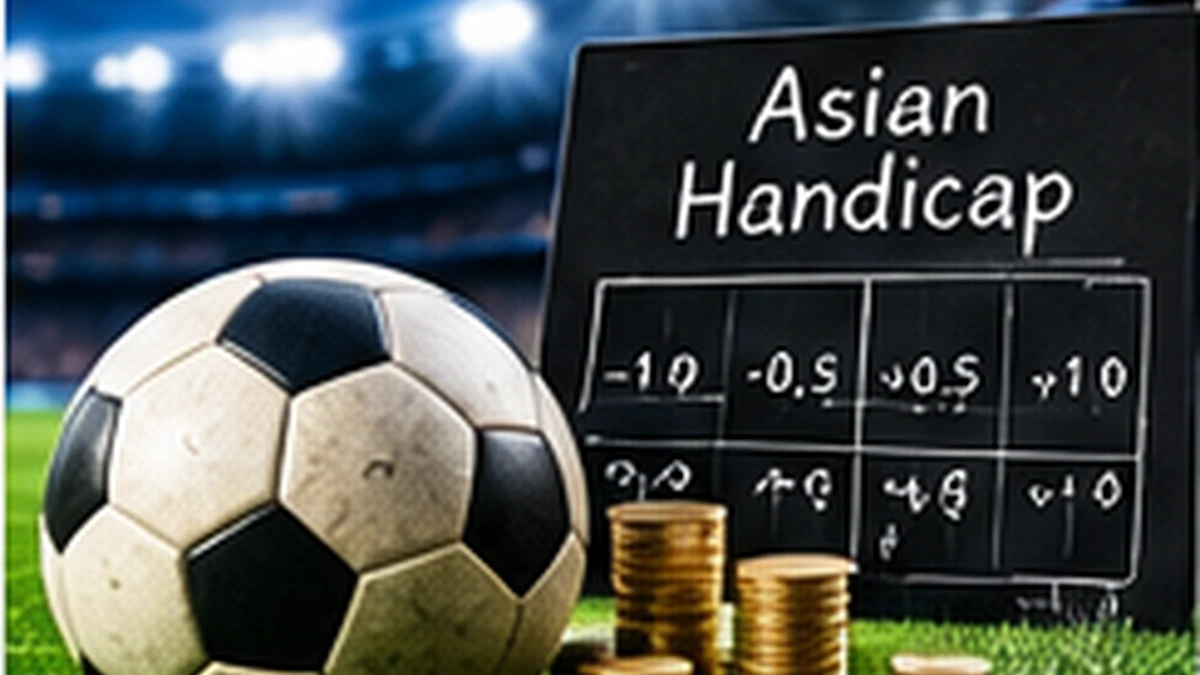
1. Extra Time Asian Handicap
The Asian Handicap for extra time functions like the regular version but covers only the 30-minute extra period (and possibly penalties, if specified).
How to approach it:
- Identify the favorite, the underdog, and the handicap line quoted for extra time.
- Judge stamina and pressure: a technically stronger side can still lose its edge if players are visibly fading.
- Watch for sharp line moves: these often reflect in-game events (goal, red card, injury) or broader market swings.
- Don’t lean purely on club reputation; in extra time, current form, fatigue, and tactical shape usually matter more than history.
This market works well if you think one team will edge the extra period even if they didn’t dominate the first 90 minutes.
2. Extra Time Over/Under Goals
Over/Under extra time bets focus on the total goals scored strictly within the extra-time window.
Smart angles:
- Gauge the tempo of attacks, the number of clear chances, and which side is pushing more.
- If both teams are cautious, prioritizing not making mistakes, the chance of multiple goals falls sharply.
- Conversely, tired defenses, big gaps at the back, and lots of open space often lead to more dangerous situations and goals.
Because you only have 30 minutes, a single defensive error or moment of quality can decide an Over/Under extra time bet.
3. Extra Time Match Result (1X2)
In the match result market for extra time, you typically predict:
- Which team will win in extra time, or
- Whether the extra-time period will end in a draw (before penalties, if applicable).
Important checks:
- Confirm settlement rules: many books settle extra time result bets excluding penalties, while some “to qualify” markets include the shootout.
- Sides with substitutions left and fresh, quick attackers often gain an advantage as opponents tire.
- Base your pick on live data (chances, shots, fatigue, cards) instead of assuming the “bigger” club will automatically win.
Use this market when you can read match dynamics and spot which team is physically and tactically on top during the added period.
Practical Tips to Improve Your Extra Time Betting Edge
Knowing the rules of extra time betting is the foundation; turning that into an edge requires discipline and sharper analysis.
1. Track Fitness, Fatigue and Sub Patterns
Before placing an extra time wager, focus on:
- Players showing clear signs of fatigue or minor knocks.
- Teams that still have substitutions available to change tempo or structure.
- The type of sub: a fresh striker or winger can have a far bigger impact than a like-for-like defensive change.
Fitness cues won’t guarantee outcomes, but they help you judge which side can sustain or increase pressure in extra time.
2. Prioritize Live Match Flow Over Reputation
Successful extra time betting depends more on what you see on the pitch than pre-match labels.
- An underdog with a compact block and quick counters can dominate the extra period.
- A big-name club may struggle if key players are exhausted, booked, or tactically neutralized.
- Track open spaces, duel success rates, and dangerous attacks to understand the real balance of power.
Let the live match flow guide your extra time pick, not just the teams’ status.
3. Protect Your Bankroll and Avoid Chasing Odds
Because extra time is a short, high-variance window, it’s easy to make impulsive decisions.
- Set a maximum stake per bet and stick to it.
- Avoid chasing losses by inflating your stake after a bad result.
- When odds move quickly, react to on-field events (goals, red cards, injuries) rather than simply chasing “attractive” numbers.
A clear bankroll plan keeps your extra time betting sustainable and reduces emotionally driven mistakes.
Wrapping Up
Extra time betting becomes much clearer once you understand the scope of these markets, the specific rules for each bet type, and how extra time dynamics differ from the first 90 minutes. Success comes from analyzing fitness, tactics, personnel, and match flow before choosing your wager, and always confirming the settlement conditions on your chosen platform.




💬 Comments (0)
No comments yet. Be the first!
Leave a Comment