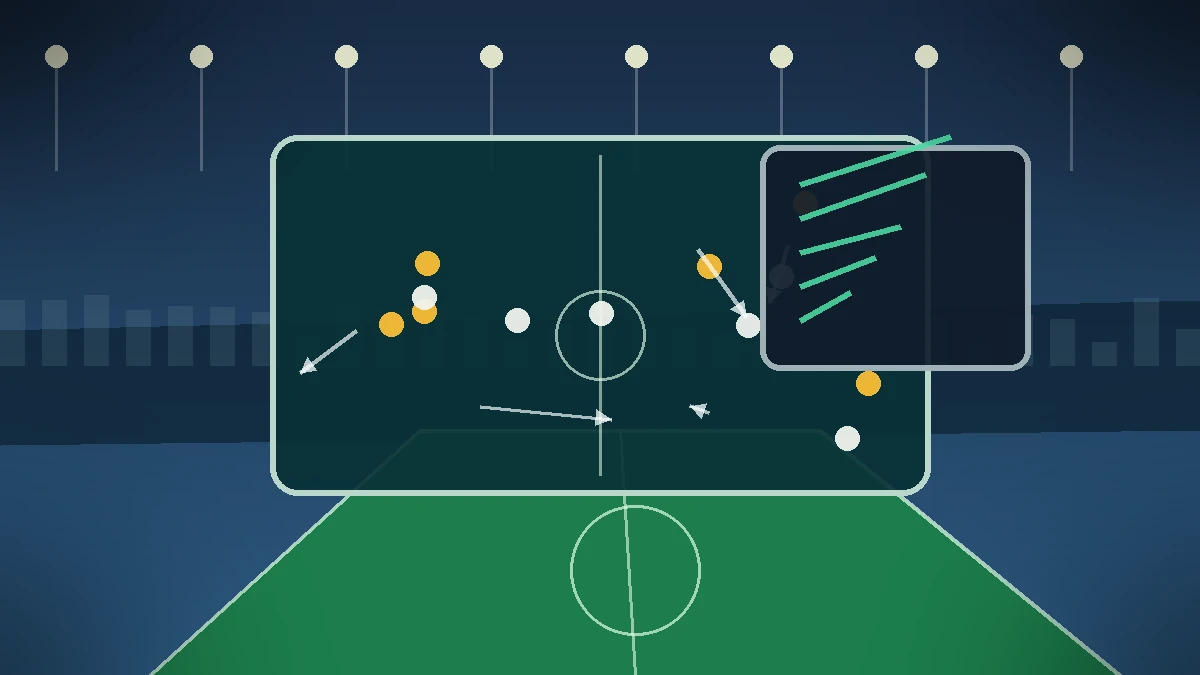
Passing Accuracy in Football: What the Percentage Means
Passing accuracy is the share of attempted passes that reach a teammate according to the data provider's rules. It is often used to describe a team's technical quality, but a high percentage does not automatically mean that a team attacks well. Short, safe passes are usually easier to complete than ambitious passes that break defensive lines.
Understand The Basics
Read the percentage alongside pass volume and pass direction. A team may complete many passes in its own half while making few attempts to move forward. Another side may record a lower percentage because it regularly tries difficult passes into attacking areas. The purpose of the pass matters.
Read The Evidence In Context
Separate passes by zone where possible. Accuracy in the defensive third, middle third and final third can reveal different strengths. A team that moves the ball safely at the back but struggles to connect with forwards may need a different assessment from a team that progresses effectively through midfield.
Consider The Matchup
Consider the opponent's pressing approach. High pressure can force rushed passes and reduce accuracy. A team facing a deep defensive block may complete many passes but find it difficult to create space. The same club can therefore record different passing figures against different styles.
Check Information Quality
Check key passes, progressive passes and passes into the penalty area if those measures are available. They help show whether possession is being used to create opportunities. Do not confuse a high completion rate with attacking threat.
Apply The Analysis Carefully
When comparing teams, use the same provider and a similar sample of matches. Note whether the figures include all competitions and whether extra time is included. Small differences in definitions can make comparisons misleading.
Mistakes That Can Mislead You
One common mistake is praising a team only because it completed more passes. Football is not a passing accuracy contest. The better question is whether the team used the ball to control space, create chances and limit the opponent's opportunities.
A Practical Way To Keep Records
A useful match note records overall accuracy, forward passing, possession and chance creation together. It should also mention the opponent's pressing style. This creates a more realistic picture of how the team builds attacks.
What A Balanced Conclusion Looks Like
Use the same evaluation method across future fixtures so that comparisons remain fair. Record the match conditions, the source and the date, then review whether the conclusion was supported by what happened. Do not change the method simply to make a past decision look successful. Consistency makes the notes more useful over time.
How To Use This Information In A Match Preview
When using passing accuracy football in a match preview, explain the period and competition covered by the information. Readers should understand whether the point comes from one match, a short run or a longer record. If the source does not provide enough detail, say so instead of presenting an estimate as a confirmed fact. A careful writer should state the limits of the available evidence. A team may have changed its coach, lost an important player or faced a different standard of opponent since the data was collected. Older figures can provide background, but they should not be presented as a complete description of the current team. Where possible, link to an official competition source or recognised data provider so readers can check the information themselves. Explain what the information means, why it may matter and what it cannot establish. Avoid repeated keywords and unsupported claims. Useful content answers the reader question clearly and gives enough context to apply the explanation responsibly.
Related Guides On TodayBankerTips
For related context, read Possession Statistics, Football Statistics Explained and Football Match Analysis.
Final Thoughts
Good football analysis is careful, transparent and willing to recognise uncertainty. No statistic, trend or expert opinion can remove the unpredictable nature of the game. Use reliable information, explain how you reached a conclusion and avoid presenting a possible outcome as a certainty. If the evidence is weak, waiting or making no selection is a sensible decision.
Frequently Asked Questions
Why is passing accuracy football useful?
It can help explain one part of a football match, but it should be considered alongside team news, opponent quality, tactics and other relevant evidence. It cannot guarantee a future result.
Can passing accuracy football predict the next match on its own?
No. Past information can support an assessment, but football remains uncertain. The next opponent, lineup, match situation and other conditions may be different.
What should I do when the available information is incomplete?
Keep the uncertainty clear, look for a reliable source and avoid making a strong claim that the evidence cannot support. It is better to leave a question unanswered than to invent a fact.





💬 Comments (0)
No comments yet. Be the first!
Leave a Comment