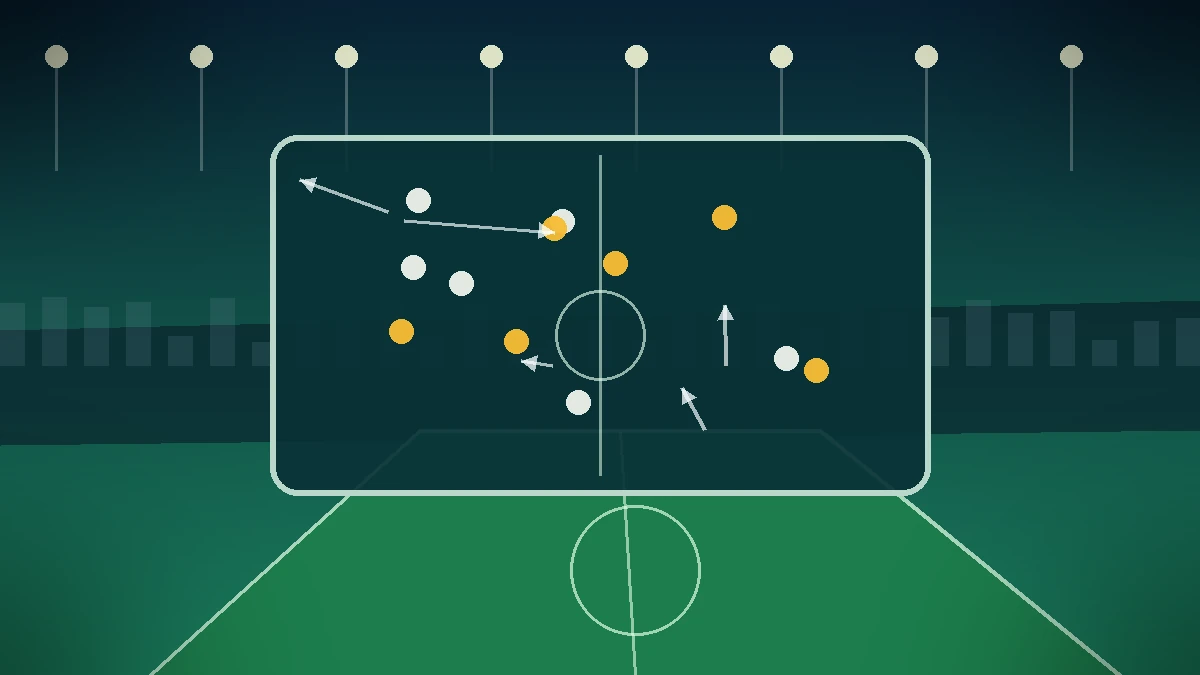
Football Squad Depth Explained: Why the Bench Matters
Squad depth describes the quality and suitability of the players available beyond a team's regular starting eleven. It becomes important across a long season, when injuries, suspensions, fatigue and multiple competitions can force a coach to change the lineup. Depth is not simply the number of players listed in a squad.
Understand The Basics
Assess the alternatives by position. A club may have several forwards but only one specialist defensive midfielder. It may have experienced centre backs but limited cover at full back. Balanced depth means the coach can replace important roles without changing the team's entire approach.
Read The Evidence In Context
Consider the difference between a replacement and a like for like option. A fast winger may replace an injured wide player but offer a different style. A team can adapt successfully, yet the change may affect how it creates chances or defends transitions.
Consider The Matchup
Young players can provide valuable cover, but experience and readiness matter. A talented academy player may need time to adjust to senior football. Check whether the player has played meaningful minutes and whether the coach trusts the option in difficult matches.
Check Information Quality
Squad depth is especially relevant when fixtures are close together. Teams playing in domestic leagues and continental competitions may rotate more often. However, a club with a large squad can still have problems if several players in the same position are unavailable.
Apply The Analysis Carefully
For match analysis, compare likely starters with the bench and identify the positions where a team has limited alternatives. Consider fitness and recent minutes, not just player reputation or transfer value.
Mistakes That Can Mislead You
Avoid claiming that the richer or larger squad will automatically win. Team cohesion, tactical fit and the opponent's strengths remain important. A well organised team with fewer options can compete effectively against a deeper squad.
A Practical Way To Keep Records
A useful squad depth report identifies key positions, realistic substitutes and the effect of possible absences. It should distinguish confirmed injuries from doubtful players and avoid guessing about selection.
What A Balanced Conclusion Looks Like
Use the same evaluation method across future fixtures so that comparisons remain fair. Record the match conditions, the source and the date, then review whether the conclusion was supported by what happened. Do not change the method simply to make a past decision look successful. Consistency makes the notes more useful over time.
How To Use This Information In A Match Preview
When using football squad depth in a match preview, explain the period and competition covered by the information. Readers should understand whether the point comes from one match, a short run or a longer record. If the source does not provide enough detail, say so instead of presenting an estimate as a confirmed fact. A careful writer should state the limits of the available evidence. A team may have changed its coach, lost an important player or faced a different standard of opponent since the data was collected. Older figures can provide background, but they should not be presented as a complete description of the current team. Where possible, link to an official competition source or recognised data provider so readers can check the information themselves. Explain what the information means, why it may matter and what it cannot establish. Avoid repeated keywords and unsupported claims. Useful content answers the reader question clearly and gives enough context to apply the explanation responsibly.
Related Guides On TodayBankerTips
Read Team Rotation Analysis, Injuries and Suspensions and Football Match Preview.
Final Thoughts
Good football analysis is careful, transparent and willing to recognise uncertainty. No statistic, trend or expert opinion can remove the unpredictable nature of the game. Use reliable information, explain how you reached a conclusion and avoid presenting a possible outcome as a certainty. If the evidence is weak, waiting or making no selection is a sensible decision.
Frequently Asked Questions
Why is football squad depth useful?
It can help explain one part of a football match, but it should be considered alongside team news, opponent quality, tactics and other relevant evidence. It cannot guarantee a future result.
Can football squad depth predict the next match on its own?
No. Past information can support an assessment, but football remains uncertain. The next opponent, lineup, match situation and other conditions may be different.
What should I do when the available information is incomplete?
Keep the uncertainty clear, look for a reliable source and avoid making a strong claim that the evidence cannot support. It is better to leave a question unanswered than to invent a fact.



💬 Comments (0)
No comments yet. Be the first!
Leave a Comment